About us

A global hub for fresh ideas and bold collaborations on resilient and sustainable cities.

URNet challenges the traditional, fragmented approaches to resilience by fostering a space for critical debate and knowledge-sharing. We connect disciplines, circulate new ideas, and encourage active collaboration, bringing theory closer to practice. Together, we aim to inspire action and advance urban resilience that prioritizes both people and the environment.

We are always looking for new scholars wishing to engage and contribute to our blog and urban resilience research advances, hopefully bringing theory and practices for building more sustainable, just and resilient cities.

Steering Committee
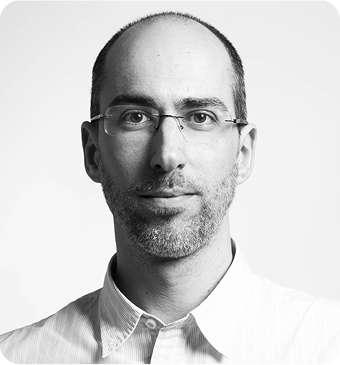
Lorenzo Chelleri

Co-Chair 


Lorenzo is Director of the JURECA Research Institute (Just and Resilient Carbon Neutral Places) and Director of the International MSc in Urban Resilience for Sustainability Transitions at Universitat Internacional de Catalunya, Barcelona. Principal Investigator on several European research projects, he has contributed to the definition and framing of urban resilience through more than 50 scientific publications in the field.

Sara Meerow

Co-Chair


Sara is Associate Professor in the School of Geographical Sciences and Urban Planning at Arizona State University, where she leads the Planning for Urban Resilience Lab. She is also a Senior Global Futures Scientist in the Julie Ann Wrigley Global Futures Laboratory. Her research, at the intersection of urban geography and planning, focuses on conceptualizations of urban resilience, resilience governance and planning under climate change (particularly heat and flooding), and urban green infrastructure.

Scientific Committee

Stephan Barthel

Scientific Committee Member
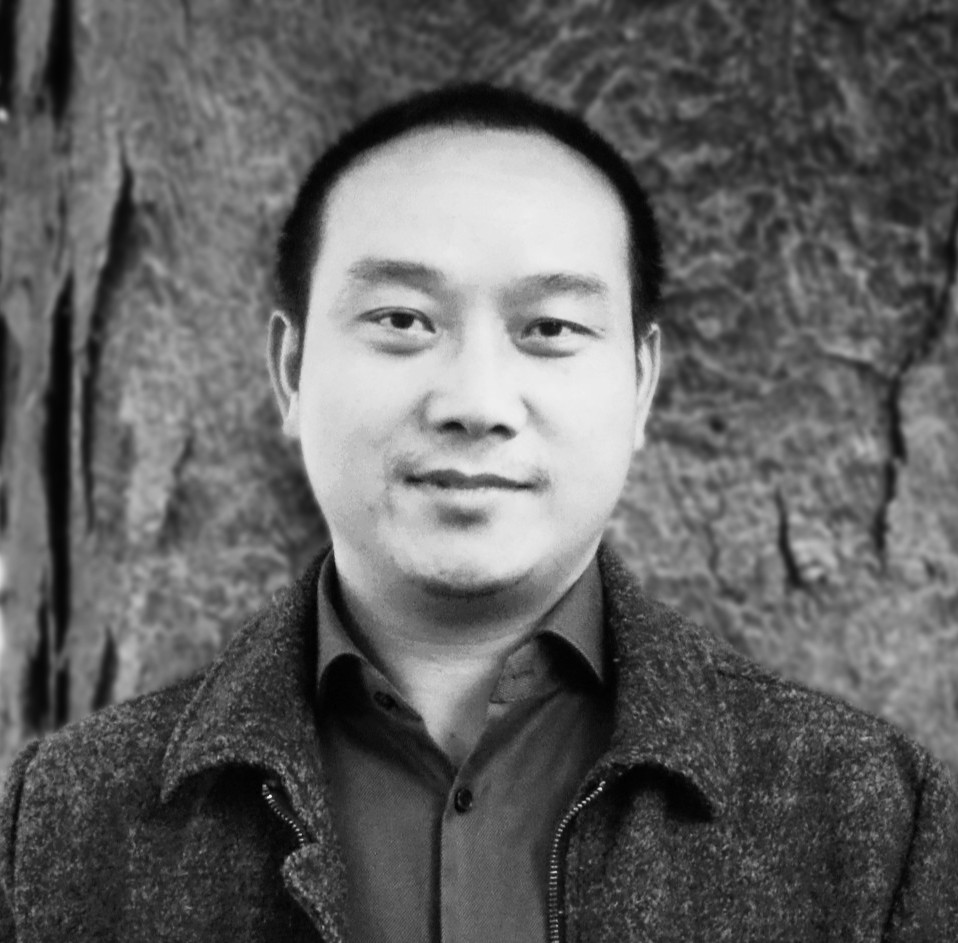
 

Stephan is Professor of Sustainability Science at the University of Gävle, also affiliated with the Stockholm Resilience Centre. He leads challenge-driven research programs on green cities and the role of civil society in a fair climate transformation, and has helped develop concepts including Social-Ecological Memory, Urban Anthropocene, and Urban Green Commons. He is committed to translating academic research into transdisciplinary collaborations with actors outside academia.

Liang Emlyn Yang 

Scientific Committee Member
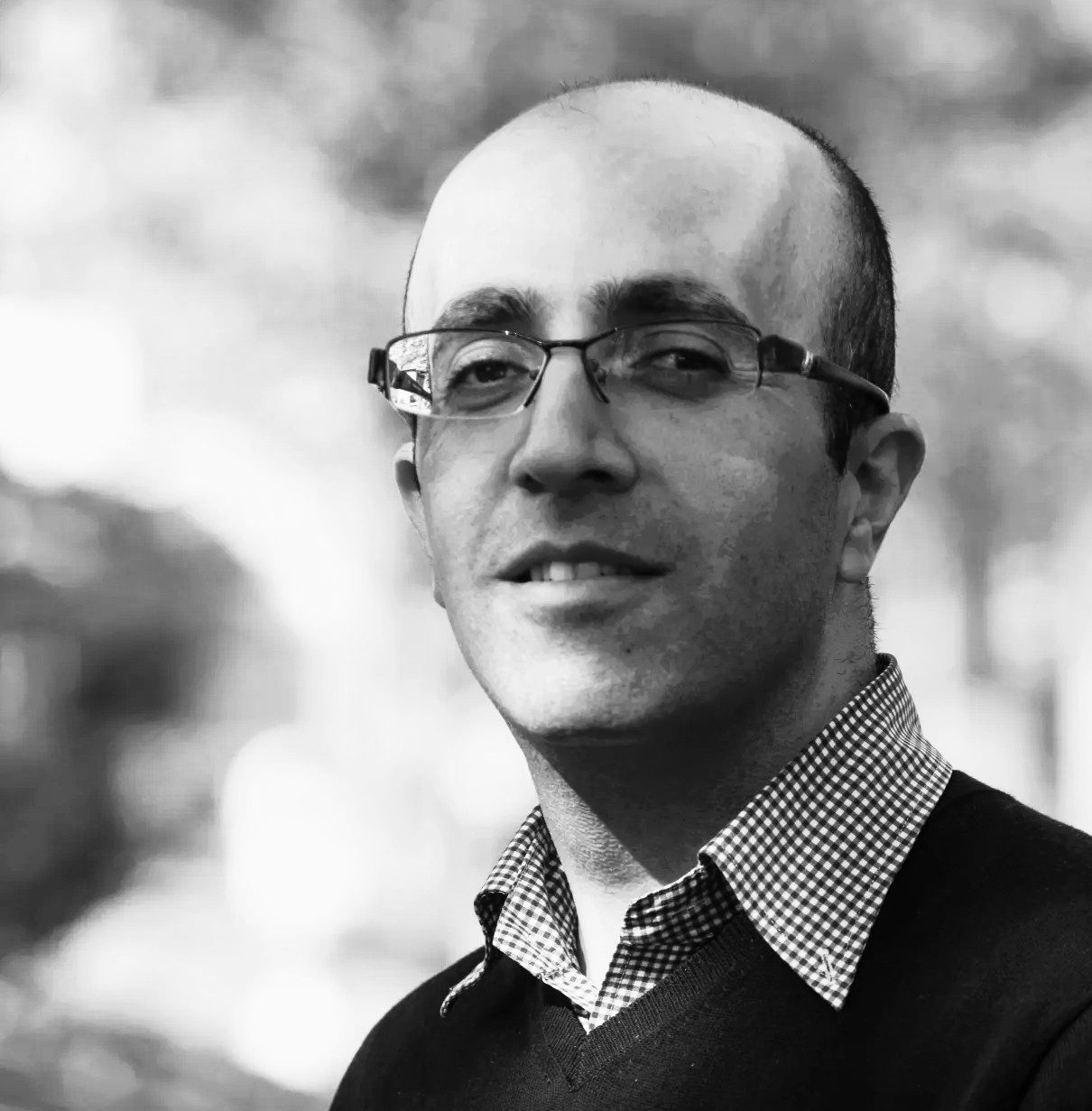
 

Liang Emlyn Yang (杨也明) is Professor of Geography and Flood Resilience at LMU Munich, with adjunct and visiting affiliations at Chulalongkorn University and Harvard University. His research explores how societies build and sustain resilience to climate change, with a focus on modeling resilience progress and the solutions, technologies, and strategies that enable resilient development. He frames climate resilience through a hopeful lens centered on human adaptability and innovation.

Ayyoob Sharifi

Scientific Committee Member
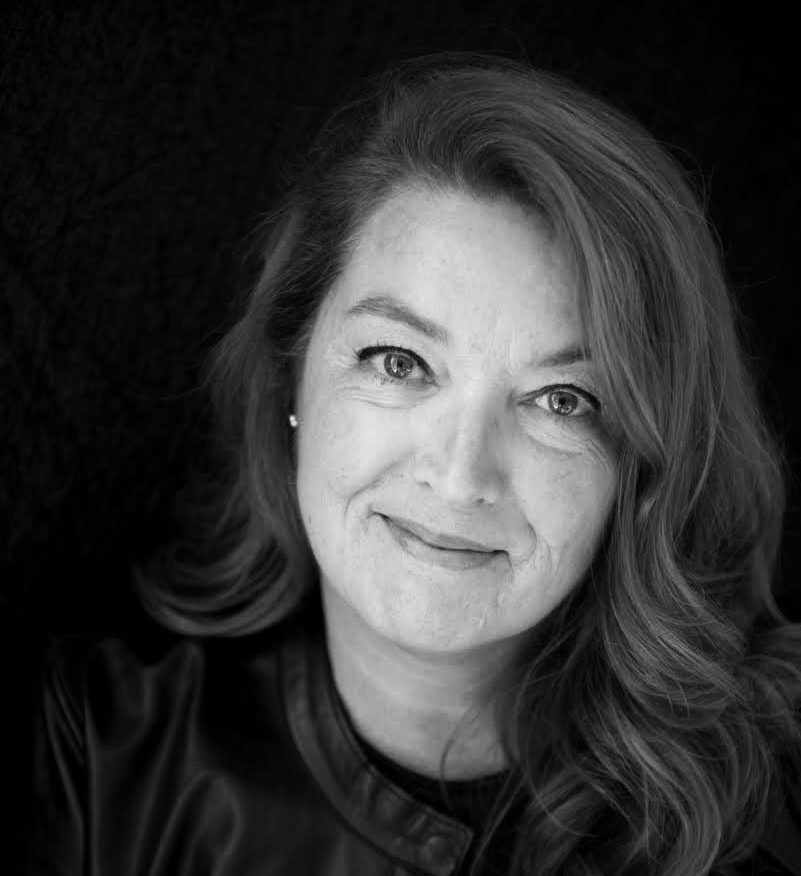
 

Ayyoob is Professor at the IDEC Institute, Hiroshima University, with cross-appointments at the Graduate School of Humanities and Social Sciences and the Graduate School of Advanced Science and Engineering. His research sits at the interface of urbanism and climate change mitigation and adaptation, and he has served as a lead author for the IPCC’s Sixth Assessment Report.

Marie-Christine Therrien

Scientific Committee Member
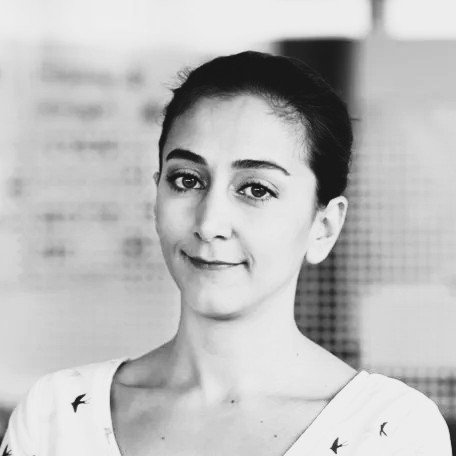
 

Marie-Christine is Full Professor of Management at the École nationale d’administration publique in Montréal and Director of the Cité-ID LivingLab on Urban Resilience Governance. Her research focuses on resilience governance and crisis management, and she has supported numerous municipalities in their transformation projects through collaborations with organisations such as the City of Montreal’s Resilience Center and the Canadian Red Cross.

Nazli Aydin

Scientific Committee Member
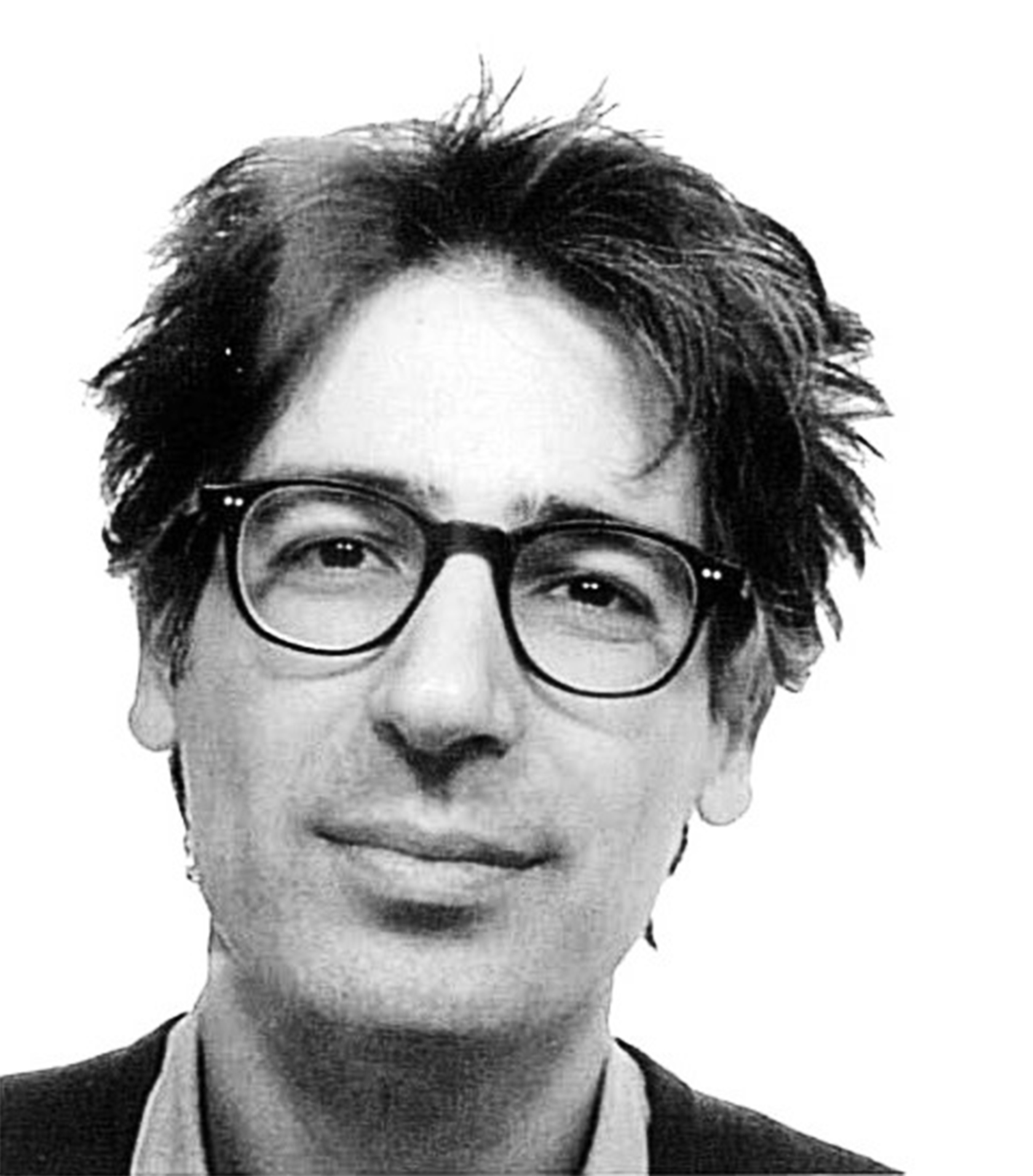
 

Nazli is Associate Professor in the Systems Engineering section of the Faculty of Technology, Policy and Management at TU Delft, and a member of the 4TU-Resilience Engineering Desire program. Her research focuses on measuring and quantifying the resilience of urban and critical infrastructure using geospatial data science and network science, with particular interest in spatially explicit resilience characterization and long-term recovery after large-scale disasters.

Mattia Federico Leone

Scientific Committee Member
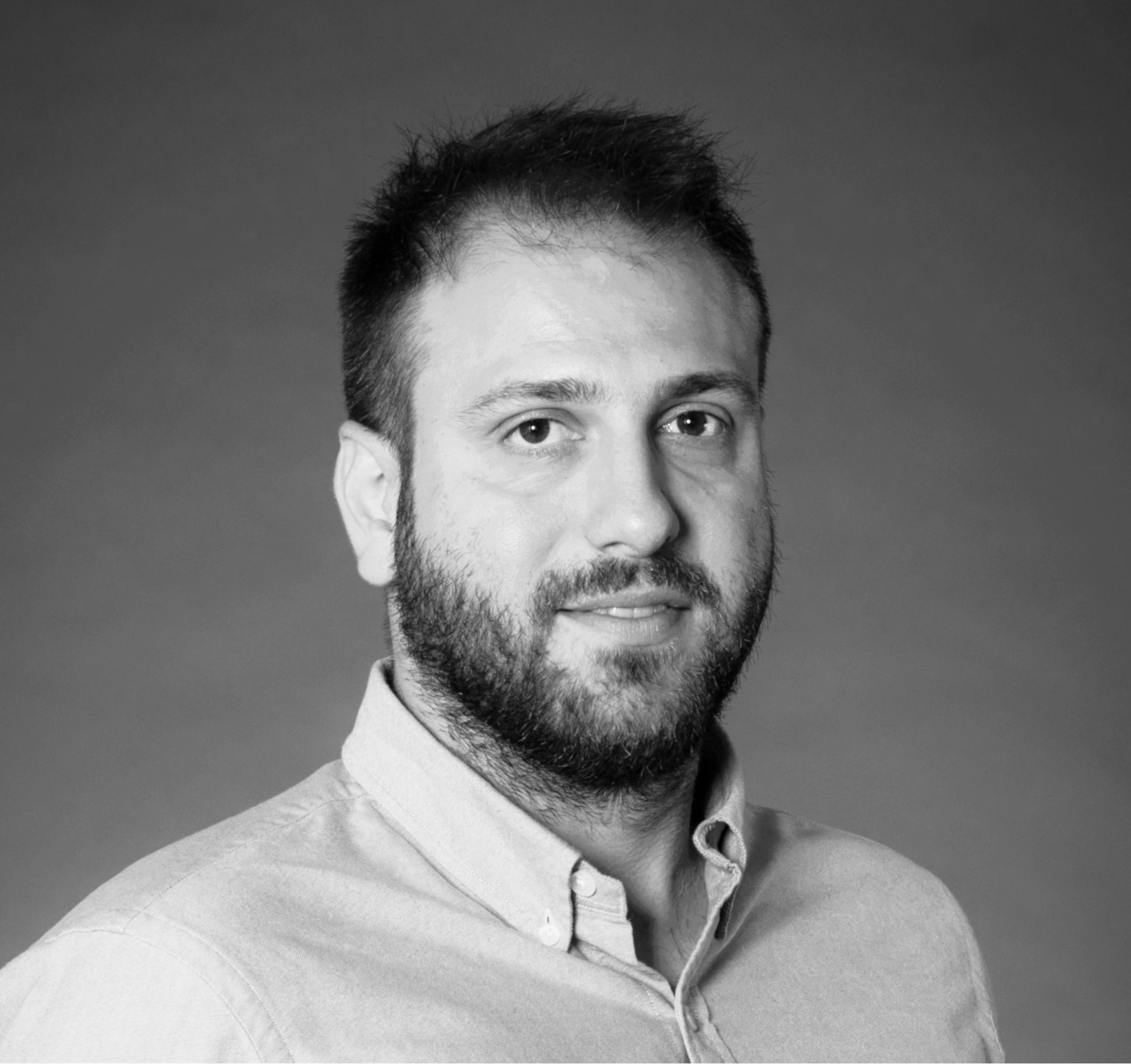
 

Mattia is Associate Professor of Architecture and Senior Researcher at the PLINIVS-LUPT Study Centre at the University of Naples Federico II, where he leads a research unit on multi-scale assessment tools for Disaster Risk Reduction, Climate Change Adaptation, and Carbon Neutrality. He is Co-Director of the Urban Climate Change Research Network (UCCRN) European Hub.

Vangelis Pitidis

Scientific Committee Member
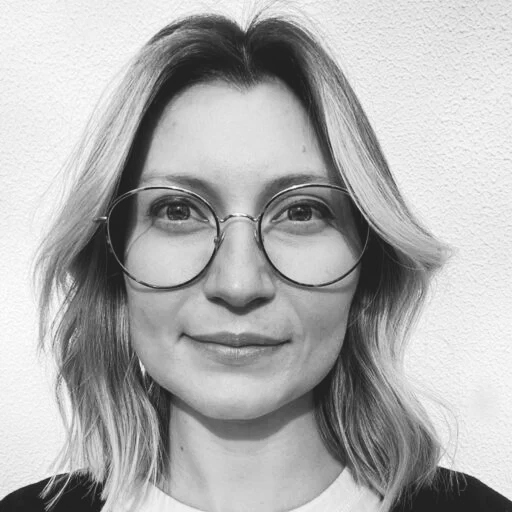
 

Vangelis is Assistant Professor at the Institute for Global Sustainable Development at the University of Warwick. His research focuses on how cities build resilience through adaptive governance, inclusive decision-making, and data-driven practices, exploring how urban systems prepare for, respond to, and recover from disruptive events. Over the past eight years, he has led and contributed to numerous projects on resilience imaginaries, participatory risk governance, and urban data practices across Europe, Latin America, and Africa.

Giulia Datola

Scientific Committee Member
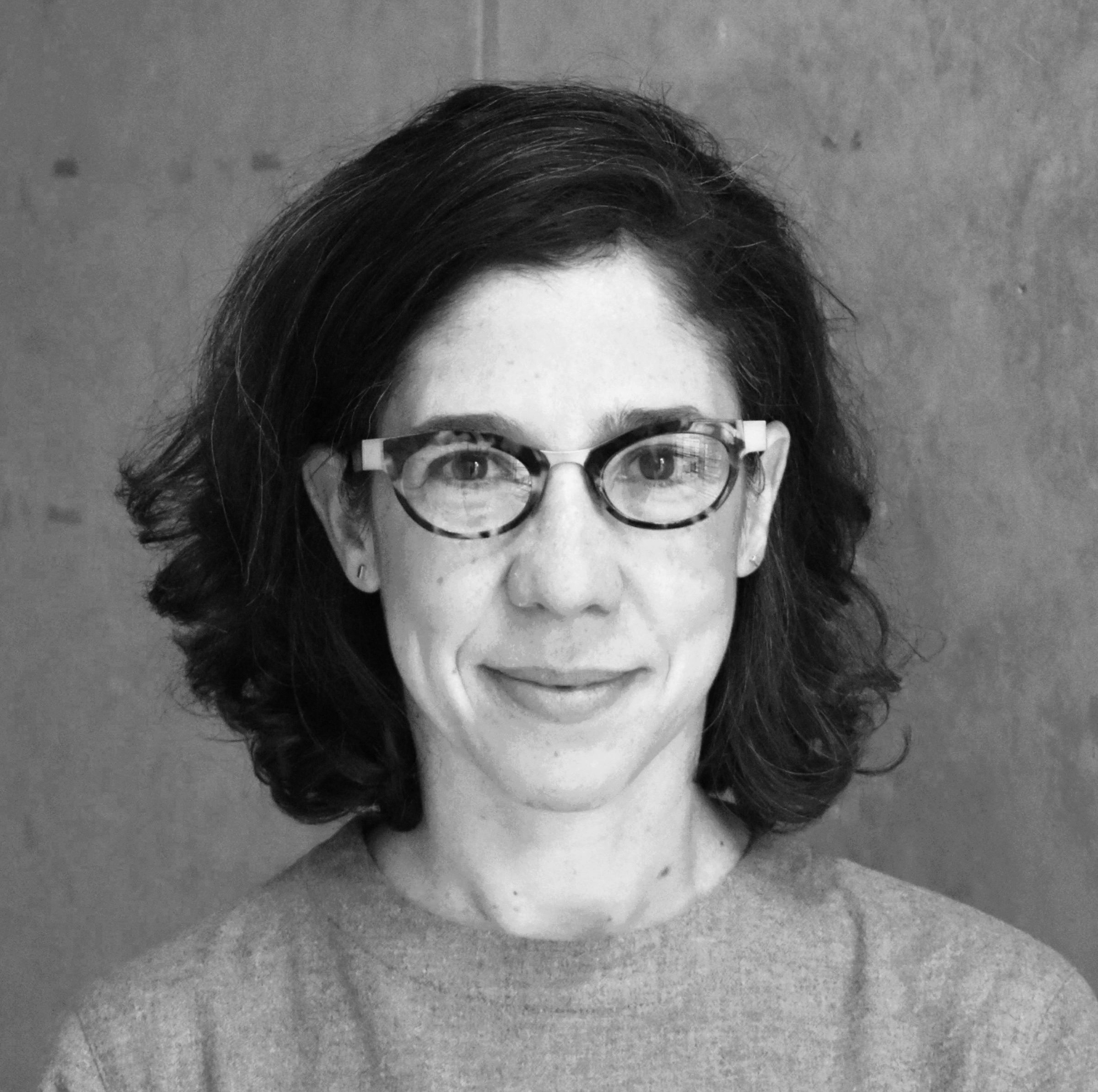
 

Giulia is Assistant Professor (RTT) in Appraisal and Valuation at the Department of Architecture and Urban Studies (DAStU), Politecnico di Milano. Her PhD research developed a System Dynamics Model-based approach to assessing urban resilience performance, and her current work focuses on integrated assessment models and the economic and multidimensional valuation of Nature-Based Solutions.

Maria Moleiro Dale

Scientific Committee Member


Maria is an architect, and Research Associate and Coordinator for international projects on digital tools for sustainable urban development at the Chair of Digital City Science, HCU Hamburg. Her work spans projects in Germany, Ecuador, Palestine, and Ukraine, connecting digitalisation and planning in complex contexts, and her research focuses on the spatial dimension of urban resilience and its operationalization through digital platforms.